

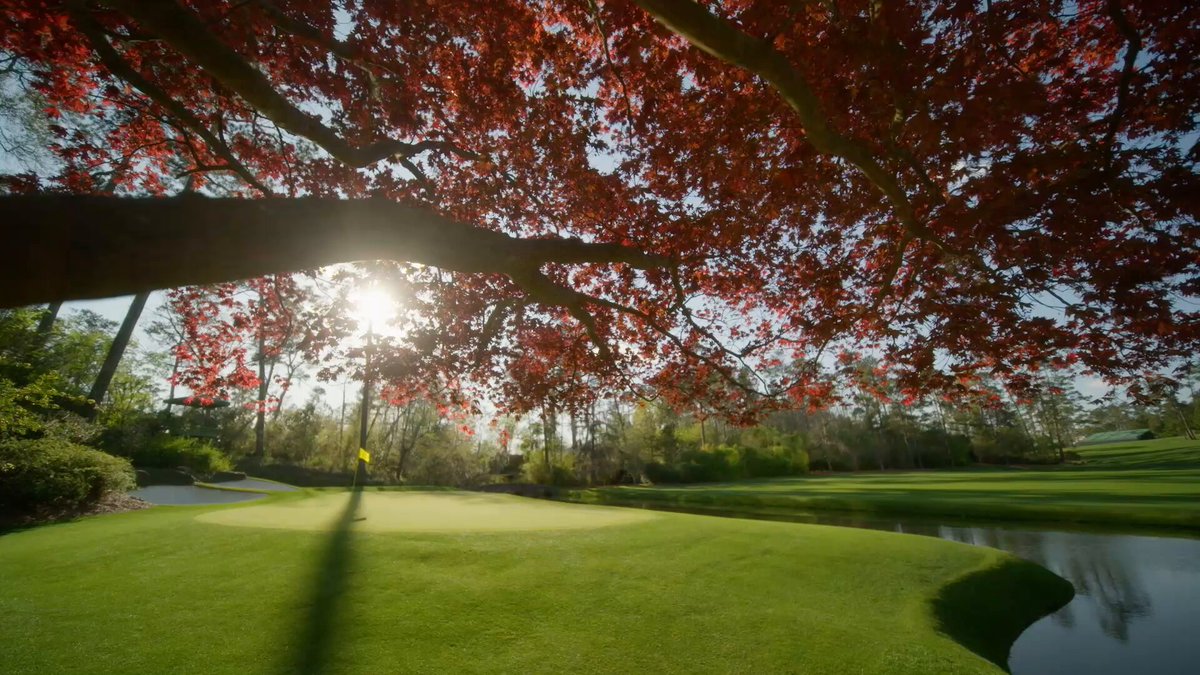
Even after nearly 90 Masters Tournaments, Augusta National continues to intrigue, capture and befuddle the players who take it on. The course remains one of golf's greatest puzzles, and understanding its complexities is essential to competing for the Green Jacket.
There's an old saying in golf that the Masters doesn't truly start until the second nine on Sunday. The narrative is familiar: reachable par fives on the back nine, birdie pin locations, and the pressure turned up to maximum as the tournament reaches its climax. The back nine certainly deserves its storied reputation.
But that conventional wisdom may not tell the complete story. The front nine at Augusta National is equally formidable, and in many ways, sneakier in its difficulty. Players often underestimate the challenge of the opening holes, only to find themselves grinding through a gauntlet of strategic hazards and demanding shot-making requirements.
The Front Nine's Hidden Teeth
The first nine holes demand precision from the opening tee shot. The fairways are tighter than they initially appear, and the greens, while normal in square footage, have tiny landing areas where the ball must settle. Missing on the wrong side brings severe consequences.
Down in those pines with swirling winds, players never enjoy a flat lie. Every approach shot must be executed to near perfection, often finding the ball tucked into challenging pin positions. The front nine is no joke for those unprepared for its subtleties.
Consider the par fours: Hole Three stands out as arguably the best short par four in golf. Its design is unbelievable. Most modern players hit driver down to just short of the green, but therein lies the trap. The second shot presents the real difficulty, with the green sloping away from the player. Many competitors have found themselves grinding to make par after what felt like a solid drive.
Hole Four, meanwhile, is a genuinely long par three. The back tee sits around 230 yards, and players are simply trying to make three and escape. It's a real test of hitting great golf shots. Hole Five has grown longer in recent years, and those bunkers are punishing obstacles. Hole Six's right shelf adds another layer of trickiness. If a player shoots even par on all the par threes at Augusta National, they are one happy competitor.
Building Momentum Through Nine
Holes Four, Five, Six and Seven form a particularly demanding stretch. Hole Seven, in many ways, is a favorite among those who know the course well. The green complex offers interesting options, but these holes represent the spine of the front nine's challenge. It's easy to struggle through this section, as the shot-making required is unforgiving.
Every par five at Augusta National demands advantage-taking, especially the two that begin the round. Hole Eight is a perfect example, where scoring birdie can kick-start a round and provide momentum heading into the second nine. Yet even when players have two at the start, they cannot take these opportunities for granted.
The reality is simple: you don't win the Masters on the front nine, but you can absolutely lose it. Every hole presents a tough test. There's not one hole where a player gets to simply take a breath on the golf course. The course tests competitors all the way through, rewarding great swings while challenging poor ones.
That's precisely what makes Augusta National such a masterpiece. Players aren't just executing golf shots—they're creating golf, playing as artists. That's the challenge the field must embrace when the Masters returns next week.
This article was created with the help of AI and editorially reviewed. Report an issue
Tweet
Source: The Masters